
Choosing between renting and buying drilling equipment can influence project costs, productivity, and business flexibility. For companies handling changing demands, understanding usage, capital requirements, maintenance, and returns is essential. A drilling rig exporter can provide different equipment options, but the right choice depends on usage and drilling requirements.
Assess Your Project Frequency
Renting suits businesses needing drilling equipment for occasional projects or short-term contracts, reducing upfront costs and idle machinery. It also offers flexibility to choose equipment based on specific project needs.
Buying becomes more practical for companies with consistent drilling requirements. Ownership provides greater control over equipment availability, scheduling, and operations, while supporting long-term planning and reducing dependence on rental availability for upcoming projects.
Compare Total Costs
Rental pricing is only one part of the financial calculation. Businesses should consider transportation, rental duration, operators, fuel, accessories, and other expenses. Long rental periods can eventually make ownership more economical.
Buying requires a larger initial investment, but equipment becomes a business asset. Owners should budget for maintenance, repairs, replacement components, storage, and operating costs. Comparing utilization with ownership costs can reveal which option offers better value.
Consider Equipment Condition and Requirements
Businesses with limited budgets may consider refurbished water well drilling rigs as an alternative to purchasing new machinery. Refurbished equipment can provide a practical route to ownership while reducing the initial financial burden. The decision should depend on depth, hole diameter, terrain, drilling method, mobility, and workload.
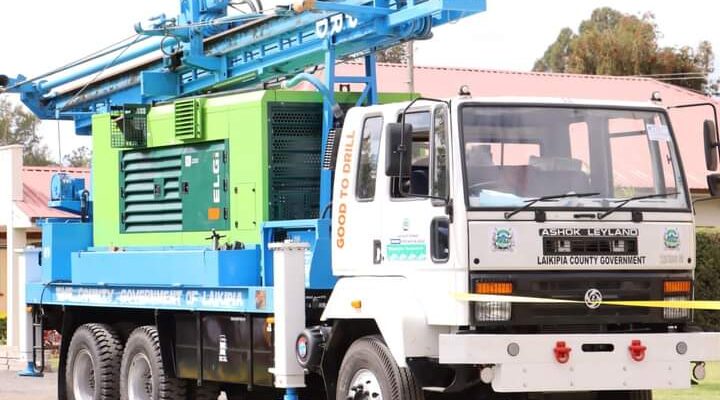
For operations where access and transportation matter, a portable well drilling machine can provide useful flexibility. Compact equipment may suit projects where larger machinery is difficult to move. Businesses should match capabilities with site conditions rather than choosing solely on price.
Think About Long-Term Growth
Rental offers flexibility for businesses testing new markets or handling unpredictable workloads. It lets contractors take specialized projects without committing capital to rarely used equipment.
Ownership can support expansion when drilling demand is steady. Dedicated equipment may improve scheduling and create opportunities for more projects. Businesses searching for operators may also encounter drilling rig companies hiring, indicating active demand and a competitive market for drilling services.
Conclusion
The right equipment strategy can strengthen productivity and protect business resources. By comparing rental expenses with ownership costs, assessing workload, and selecting equipment that matches site requirements, companies can make confident decisions. Whether renting for flexibility or buying for long-term use, choosing a reliable drilling rig exporter can support better equipment planning and sustainable business growth.
Explore Reliable Drilling Equipment Solutions with Prime Rigs
For businesses seeking reliable drilling solutions, Prime Rigs offers drilling equipment for water well, mining, construction, portable, core, and specialized applications. Their range includes brand-new and refurbished rigs designed for varied drilling requirements. With product options, technical specifications, accessories, and regional sales and service support, Prime Rigs helps businesses select equipment suited to their projects, operational needs, and investment plans effectively.
Frequently Asked Questions
Yes, renting can reduce upfront costs and provide flexibility when equipment is needed temporarily.
Buying may be suitable when drilling is frequent and equipment will be used consistently across multiple projects.
Refurbished rigs can offer a practical ownership option when businesses want capable equipment with a lower initial investment.
Consider project requirements, drilling depth, terrain, equipment capacity, maintenance, transportation, operating costs, and expected utilization.
Compare equipment specifications with project conditions, workload, mobility requirements, budget, and long-term operational goals.
Related Posts