
A construction site can change quickly once drilling begins. A contractor may start with one ground condition and encounter harder layers just a few metres deeper. This is where choosing the right drilling method becomes important. Rotary and percussion drilling work in different ways, and understanding their strengths can help contractors select equipment that matches the job. Guidance from experienced drilling equipment suppliers can also make this decision more practical.
Start With How The Ground Behaves
Rotary drilling removes material mainly through continuous rotation. The drill bit turns against the ground, cutting or breaking the formation as it advances. This method can work well across soil, clay, softer rock, and certain geological formations, depending on the equipment and tooling used.
Percussion drilling takes a different approach. Instead of relying mainly on continuous rotation, the drilling tool delivers repeated impact against the ground. These blows break hard formations into smaller pieces that can then be removed.
Rotary Fits Continuous Cutting
Rotary systems are useful when drilling requires controlled and continuous penetration. They can be configured for different applications by changing the bit, drilling tools, rotation speed, and operating parameters.
For projects involving varied depths or formations, the flexibility of rotary equipment can be valuable. Contractors can select tooling according to the work rather than relying on one configuration for every site.
Percussion Handles Tough Formations
When drilling encounters hard rock, repeated impact can provide the force needed to break the formation. Percussion systems are commonly associated with demanding ground where cutting alone may not deliver efficient progress.
However, impact drilling also requires careful control. The hammer, bit, compressor or power system, and drilling rig need to work together effectively. Incorrect settings can increase wear and reduce productivity.
Match The Rig To The Method
A drilling method is only as effective as the machine supporting it. Contractors should consider rig capacity, available power, drilling depth, mobility, tooling compatibility, and the working environment before making a selection.
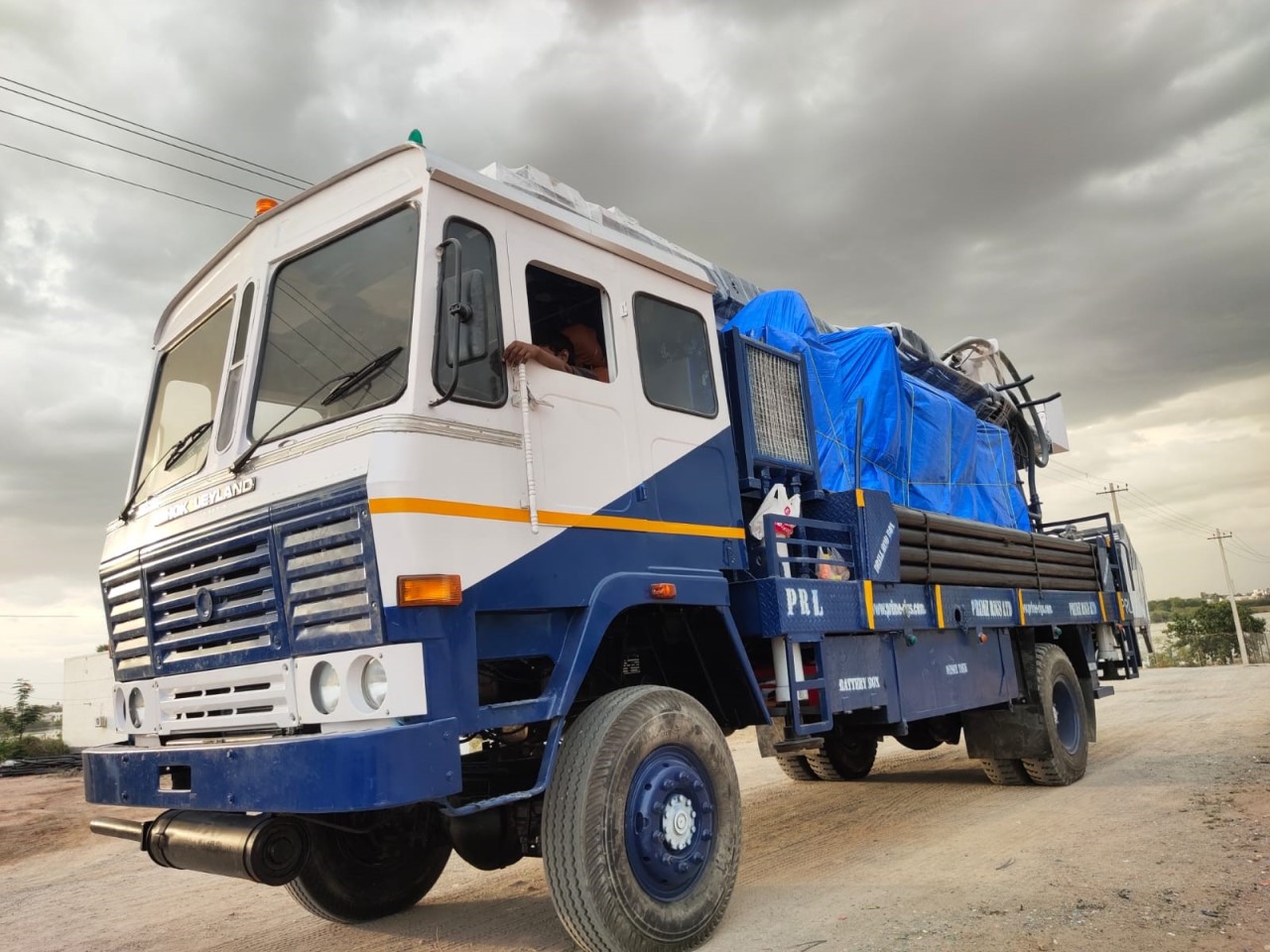
Companies evaluating options from portable drilling rig manufacturers should also consider transportation and setup requirements. A mobile rig may provide an advantage when projects involve multiple locations or restricted access.
Compare More Than Speed
It can be tempting to choose a method based purely on drilling speed. However, productivity also depends on setup time, fuel consumption, tooling wear, maintenance, ground conditions, and downtime.
The best drill for construction is therefore not necessarily the fastest machine available. It is the equipment combination that can perform the required work consistently while keeping operating demands under control.
Make The Choice Site Specific
Rotary and percussion drilling each have useful roles in construction. Rotary methods offer continuous cutting and adaptable tooling, while percussion methods provide repeated impact for difficult formations.
Before investing in equipment, contractors should assess the ground, drilling objectives, required depth, machine mobility, and expected workload. Comparing these factors creates a stronger basis for equipment selection than relying on general specifications alone.
Conclusion
At Prime Rigs, we understand that every construction project brings different ground conditions and equipment requirements. We provide drilling solutions designed to support practical site needs, while our focus remains on dependable performance, suitable machine selection, and long-term operational value. Our approach helps contractors choose equipment with greater confidence and work with reliable drilling rig manufacturing companies to build drilling strategies around the demands of each project.
Frequently Asked Questions
Rotary drilling uses continuous rotation to cut and penetrate soil or rock formations.
Percussion drilling uses repeated impact energy to break hard ground and rock.
Percussion drilling is often effective for hard and highly resistant rock formations.
Yes, rotary-percussion systems combine rotation with impact for challenging ground conditions.
Yes, properly inspected refurbished rigs can provide reliable performance at a lower investment.
Related Posts