
Choosing the right water well drilling rig is essential for successful drilling operations in water extraction, infrastructure, and construction projects. Modern drilling technology has improved efficiency and performance in both urban and rural environments. Today, electric and diesel systems are the most widely used options in water drilling machine applications and heavy-duty machines for construction work.
Electric Drilling Machines: Pros
Electric drilling machines are widely preferred in areas with stable electricity supply and are commonly used in controlled drilling environments and urban development projects. One major advantage of a water well drilling rig is low operating cost, as electricity is more affordable than diesel fuel, helping reduce long-term expenses. These machines deliver smooth and stable performance, making them suitable for precision drilling tasks that require accuracy and consistency. Another key benefit is environmental safety.
Electric rigs produce zero direct emissions and much less noise, making them ideal for residential and regulated zones. In bore well drilling machine operations, they also require less maintenance.
Electric Drilling Machines: Cons
Despite their advantages, electric drilling machines have limitations. The biggest drawback is dependency on continuous electricity supply. In remote or rural areas where power is unstable, operating a water well drilling rig becomes difficult and unreliable.
They are also less effective for heavy-duty drilling in hard rock or deep ground conditions. For large-scale equipment for construction projects, electric rigs may not always deliver the required torque, strength, or mobility needed for demanding tasks.
Diesel Drilling Machines: Pros
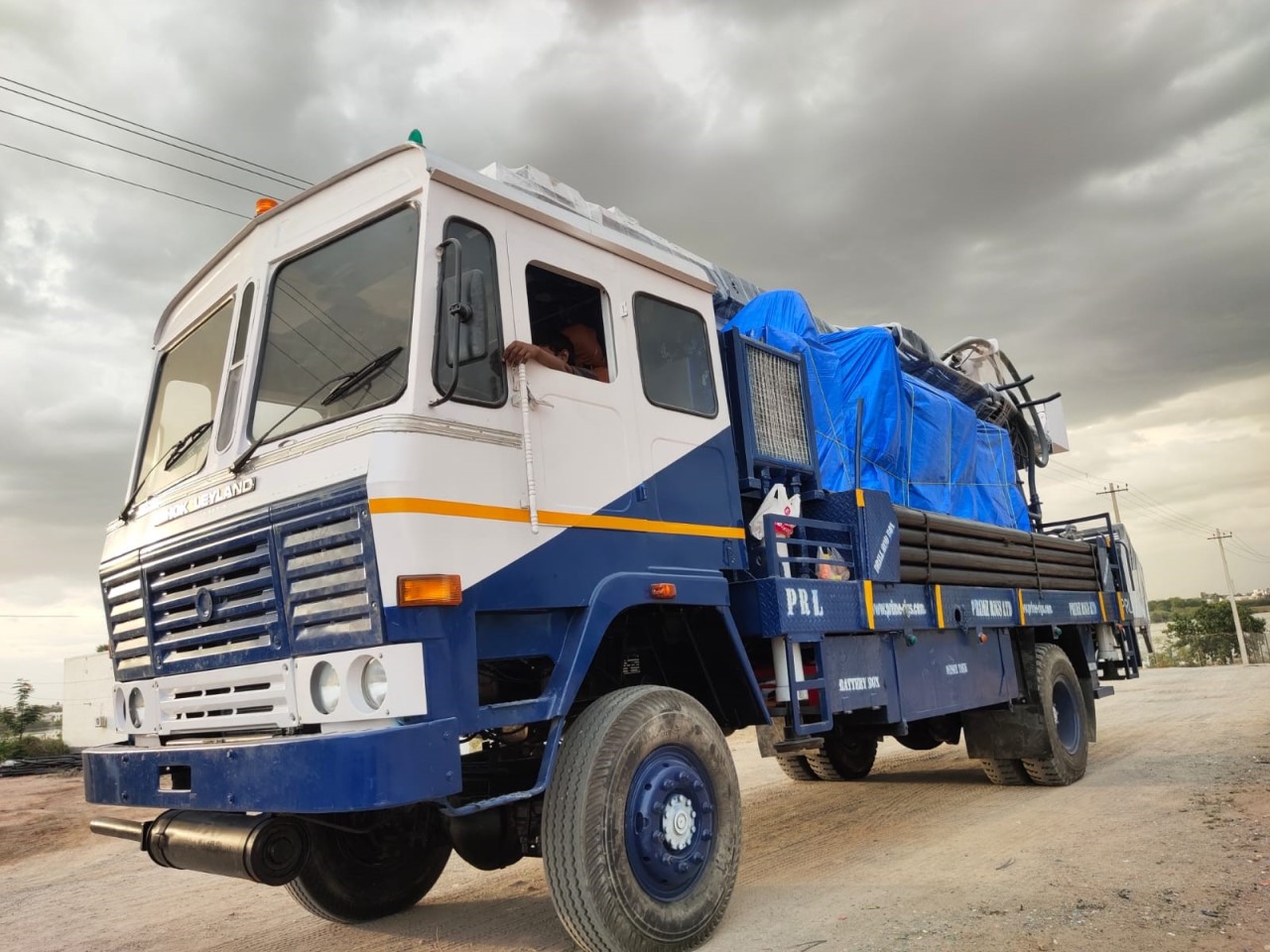
Diesel drilling machines are widely used in tough environments because of their strength and independence. These machines are essential for remote drilling sites and large infrastructure development projects. A diesel water well drilling rig delivers high torque and strong drilling capacity, making it suitable for hard soil, rocky terrain, and deep boreholes. This makes them highly effective in bore well drilling machine projects that require continuous deep drilling without interruption.
Another key advantage is mobility, as diesel rigs do not depend on external power sources. They are reliable machines for construction in challenging conditions and long operational hours.
Diesel Drilling Machines: Cons
However, diesel machines also have drawbacks. They consume more fuel, which increases overall operational cost. Maintenance requirements are higher due to complex engine systems and regular servicing needs.
Diesel rigs also generate more noise and emissions, making them less suitable for urban or environmentally sensitive locations. In bore well drilling equipment operations, these limitations can restrict their use in regulated or populated areas where cleaner solutions are preferred.
Conclusion
Both electric and diesel drilling machines are important in modern drilling operations. Electric systems offer cost efficiency, cleaner performance, and lower maintenance, making them suitable for controlled environments. Diesel systems provide higher power, flexibility, and reliability for tough and remote conditions. The choice of the right water drilling machine depends on the project location, depth requirements, and operational demands for bore well drilling and construction work.
Trusted Global Solutions for High-Performance Drilling Needs
For high-performance industrial drilling needs worldwide, Prime Rigs delivers advanced drilling solutions designed for both electric and diesel applications. Their machines are built with strong engineering, modern technology, and high durability to support demanding drilling projects. With a focus on performance, reliability, and global service support, they provide trusted solutions for the water exploration and construction industries.
Frequently Asked Questions
It depends on the project's needs. An electric water drilling machine is ideal for low-cost, low-noise urban drilling, while diesel machines are better for remote and heavy-duty work.
An electric bore well drilling machine offers low maintenance, smooth operation, and eco-friendly performance, making it suitable for stable power locations.
Diesel equipment for construction provides high power, mobility, and reliability in off-grid areas.
They are best for shallow to medium depth drilling only.
Depth, location, power supply, and budget for a water drilling machine matter most.
Related Posts