

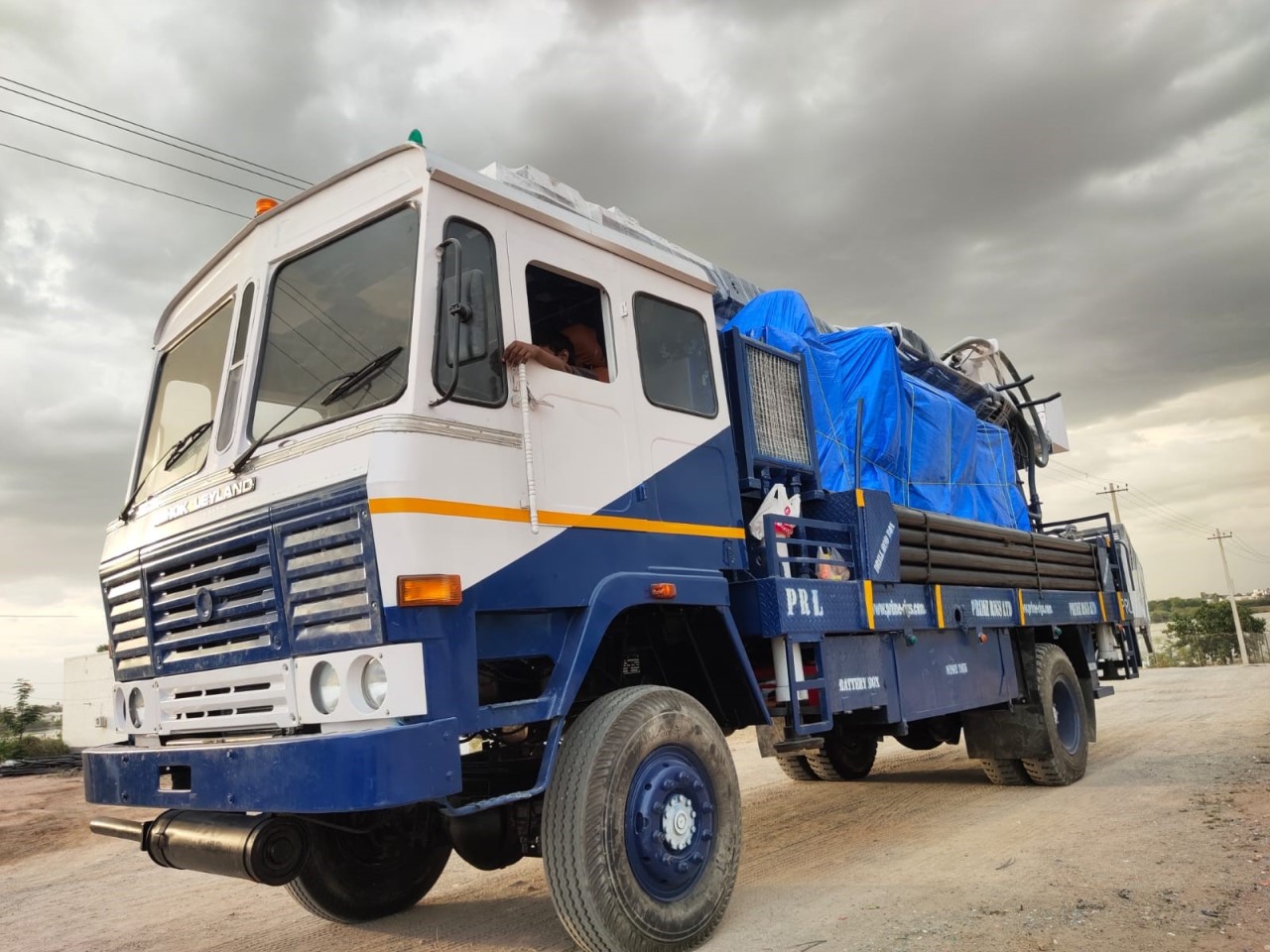
A remote farm needs a new water source, but the access road is narrow and the drilling location changes with the season. In situations like this, choosing machinery involves more than checking drilling depth or engine power. A suitable portable water drilling machine must fit the terrain, travel between locations, and handle the ground conditions expected at each site. Understanding these practical requirements helps buyers select a rig that supports their work without adding unnecessary transport or operating challenges.
Match The Rig To Ground Conditions
Soil and rock formations influence drilling methods, tool selection, and expected progress. Loose soil may require different drilling arrangements from compact clay or hard rock. Groundwater depth and borehole diameter also affect the equipment needed.
A water bore drilling machine should be selected according to the expected geological conditions and the project’s technical requirements. Where reliable site information is available, use it to discuss suitable drilling methods and tooling with an experienced equipment supplier.
Check Portability And Setup Time
Portability involves more than the overall size of a rig. Buyers should examine its operating weight, transport dimensions, mast arrangement, stabilisers, and setup procedure. Some machines are designed for frequent relocation, while others require more time and preparation before drilling begins.
Consider how often the equipment will move between sites. For projects involving multiple boreholes across scattered locations, easier transportation and straightforward setup may reduce unproductive time. However, portability should not come at the expense of the capacity needed for the intended work.
Evaluate Power And Drilling Capacity
Engine output alone does not determine drilling performance. Rotation speed, torque, feed force, rated drilling depth, and compatibility with drilling tools all influence how a rig performs.
The best water well drilling rig for a project is one whose capabilities match its actual workload. Avoid choosing solely by maximum advertised depth; field results depend on ground conditions, operator experience, and equipment maintenance.
Compare New And Refurbished Options
A new rig may suit buyers who need specific configurations or prefer a new equipment history. A refurbished well drilling rig for sale may offer another option, provided its condition is carefully assessed.
Review maintenance records, inspect hydraulic and power systems, and ask which components were repaired or replaced. Confirm warranty coverage, spare-parts availability, and access to technical support before making a decision.
Assess The Supplier’s Support
When comparing rig manufacturers, examine technical documentation, available accessories, service arrangements, and the clarity of product specifications. If considering a water drilling machine for sale, confirm that the quoted configuration includes the equipment needed for your intended application.
Conclusion
Choosing a portable rig means balancing mobility, drilling capability, ground conditions, and long-term support. At Prime Rigs, we encourage buyers to compare equipment specifications with real project demands so our range can serve as a starting point for informed research and practical purchasing decisions.
Frequently Asked Questions
Consider drilling depth, ground conditions, machine size, transport access, power requirements, and maintenance costs.
Soil type, rock hardness, and groundwater depth determine the suitable drilling method, tools, and machine capacity.
Yes, its compact design and easier transportation can make it suitable for remote sites with limited access.
Inspect service records, engine condition, hydraulic systems, previous repairs, warranty coverage, and spare-parts availability.
Supplier support helps with maintenance, replacement parts, technical guidance, and reducing unexpected equipment downtime.
Related Posts
Recent Post
- Portable Drilling Rig vs Truck-Mounted Rig: Which Is Right for Your Project?
- New vs Used Mining Rig: Which Should You Buy Online?
- How To Choose A Portable Water Well Drilling Rig For Your Needs
- How GPS and Telematics Are Transforming Drilling Operations
- Which Drilling Method Fits Your Construction Project Best?