

Choosing between a diesel and an electric drilling rig isn’t just about fuel type; it affects everything downstream, from daily operating costs to maintenance schedules to how well the rig performs alongside your drill bit manufacturers‘ recommended specifications for a given ground condition. Both rig types have earned their place in the industry, and the right choice really comes down to your site conditions, budget, and long-term operational goals.
Diesel Drilling Rigs: Power and Reliability in the Field
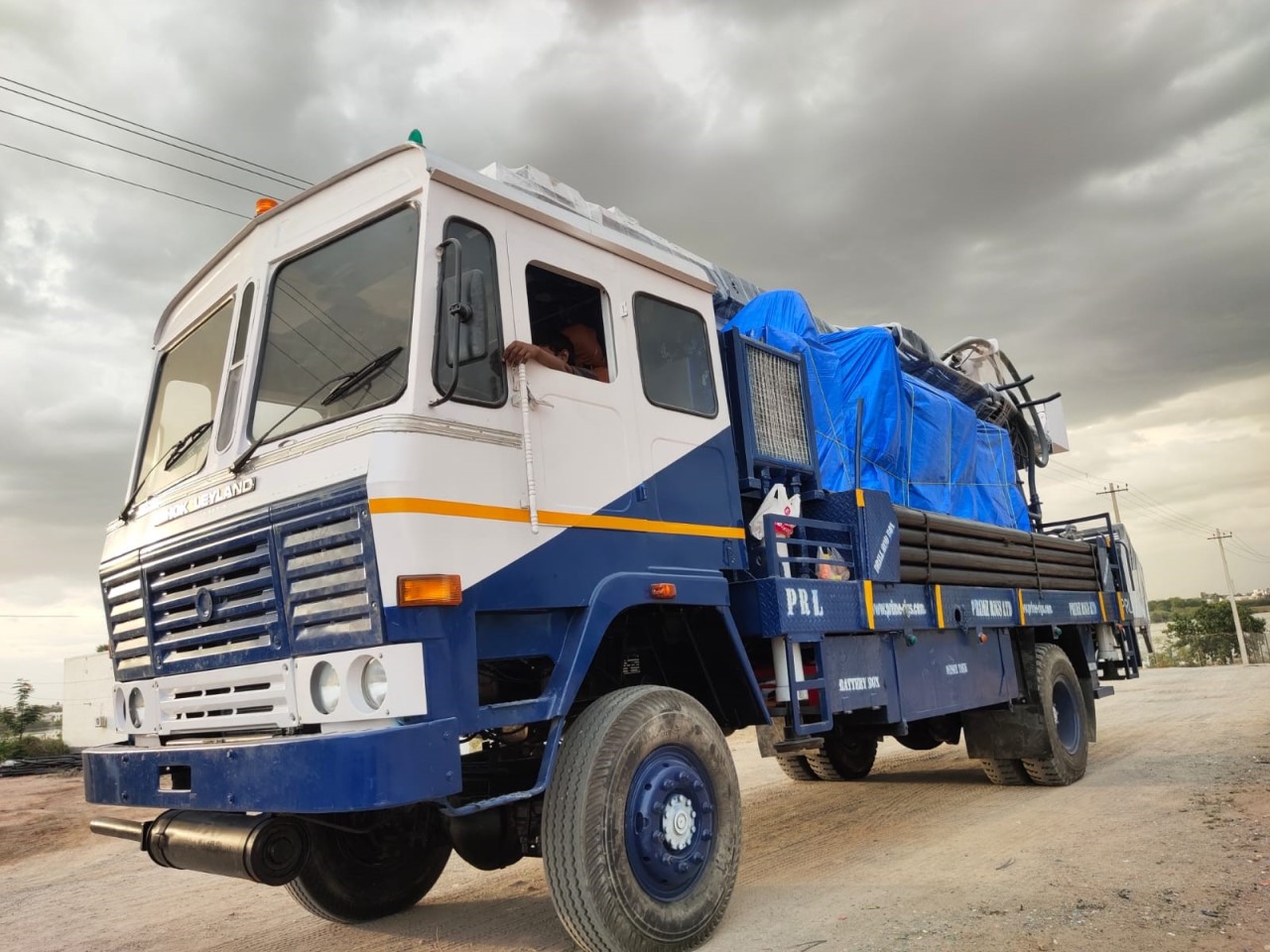
Diesel rigs remain the industry standard for a reason. They deliver strong, consistent torque across a wide range of ground conditions, run independently of grid power, and hold up well in remote or rugged terrain where electrical infrastructure simply isn’t available.
Pros: High torque output, fully mobile with no dependency on external power, well-suited to deep or hard-rock drilling, and widely serviceable given how common diesel components are across the industry.
Cons: Higher fuel and maintenance costs over time, louder operation, and greater emissions output compared to electric alternatives.
Electric Drilling Rigs: Clean, Quiet, and a Smart Mining Rig for Sale in India
Electric rigs have gained real traction in recent years, particularly for operations prioritizing lower emissions and quieter job sites. If you’re evaluating a mining rig for sale in India for a site with reliable grid access, electric options are increasingly worth serious consideration.
Pros: Lower operating noise, reduced emissions, fewer moving parts requiring maintenance, and generally lower long-term running costs where power infrastructure is already in place.
Cons: Dependent on a stable power source, less practical for remote sites, and often a higher upfront investment.
Selecting The Right Setup: What Reliable Drill Rig Suppliers Recommend
Experienced drill rig suppliers typically recommend matching the rig to the job, not the other way around. Diesel remains the safer bet for remote or variable-access sites, while electric rigs suit fixed, power-connected operations where lower noise and emissions genuinely matter to the project.
Diesel or Electric? What’s Right for a Drilling Rig in India
For any drilling rig in India, terrain and site access usually settle the debate quickly. Diesel dominates in rural, hard-rock, and infrastructure-limited regions, while electric rigs are becoming more common in urban and semi-urban projects with dependable power access.
Upgrading Without Buying New: The Case for Refurbished Water Well Rigs
For operators watching budgets closely, refurbished water well rigs, whether diesel or electric, offer a genuinely practical middle ground: proven performance at a fraction of new-rig cost, provided they’ve been properly inspected and serviced beforehand.
Conclusion
Diesel and electric rigs each bring real strengths to the table, diesel for power and mobility, electric for lower emissions and quieter operation. The right choice depends entirely on site conditions and power access. Whether you’re sourcing new equipment or exploring options from established portable drilling rig manufacturers, matching rig type to your actual operating environment is what ultimately drives efficiency and long-term value.
Prime Rigs brings deep expertise in both diesel and electric drilling equipment, helping operators across diverse terrains choose and maintain rigs suited to their exact site conditions. Their range supports everything from remote hard-rock projects to power-connected urban drilling operations.
Frequently Asked Questions
Diesel rigs are generally the better choice for remote or off-grid locations, since they don't depend on external power infrastructure and can operate independently in rugged, hard-to-access terrain.
Where reliable grid power is already available, electric rigs often cost less to run over time thanks to fewer moving parts and lower maintenance needs, though their upfront cost tends to be higher than diesel equivalents.
Yes, a properly inspected and serviced refurbished rig, diesel or electric, can deliver reliable performance at a significantly lower cost, making it a practical option for budget-conscious operators.
Related Posts