
Choosing the right drill bit depends on soil composition, drilling depth, equipment capacity, and project requirements. Different ground conditions affect penetration speed, tool wear, and overall drilling efficiency.
For groundwater and borewell projects, pair a water well drilling rig with a bit suited to the formation being drilled. Clay, sand, gravel, and hard rock require different drilling approaches. Using an unsuitable bit can increase wear, reduce productivity, and raise maintenance costs. Understanding ground conditions before starting work helps operators select appropriate equipment and maintain consistent drilling performance.
Soil Conditions That Influence Drill Bit Selection
The hardness, moisture, abrasiveness, and structure of soil directly influence bit performance and drilling efficiency.
1. Soft Clay
Clay can become sticky and accumulate around drilling tools, affecting penetration. Suitable bits should remove material efficiently while reducing clogging. Operators should monitor drilling conditions and adjust speed when necessary.
2. Loose Sand
Loose sand can create borehole stability challenges. A suitable bit should cut effectively and remove material while maintaining controlled drilling conditions. Proper flushing and drilling parameters can improve performance.
3. Gravel and Mixed Soil
Gravel produces greater impact and wear than softer formations. Durable bits can handle changing ground conditions more effectively. Regular inspection helps identify wear before it affects productivity.
Equipment Compatibility and Drilling Performance
The drilling bit should match the machine’s power, rotation speed, drilling method, and operating capacity. Equipment compatibility can significantly influence penetration and tool life.
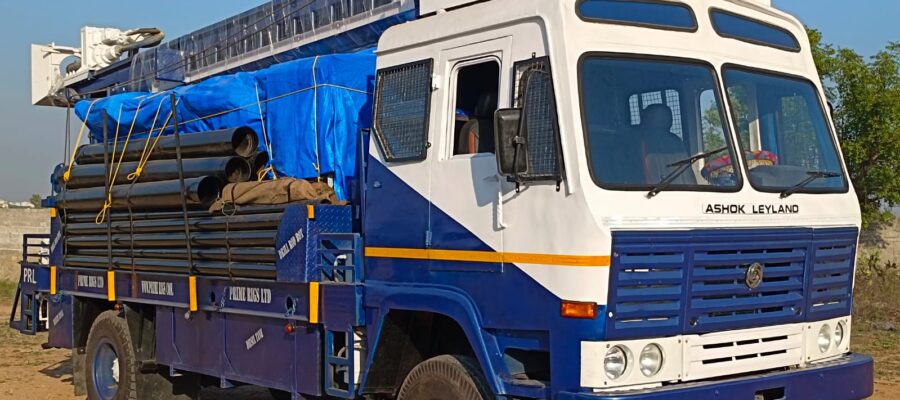
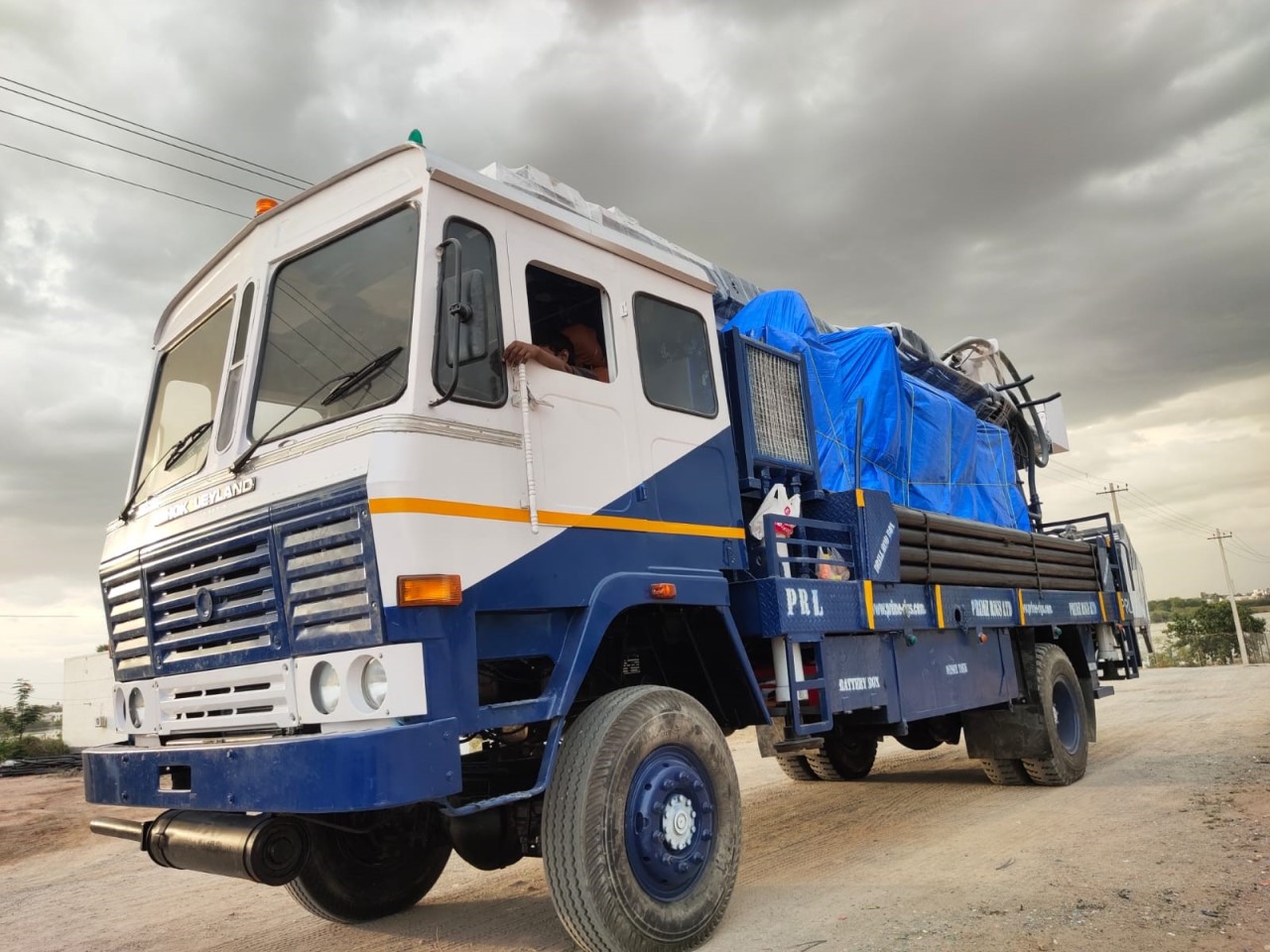
A water bore drilling machine should use a bit designed for both its specifications and the geological conditions. Operators should consider drilling diameter, expected depth, ground hardness, flushing requirements, and available machine power before selecting a tool. Regular inspection is also important because worn cutting elements can reduce penetration and increase operating costs.
Factors Supporting Efficient Bit Selection
- Bit Material: Durable materials can provide greater resistance against abrasive formations and repeated drilling.
- Ground Conditions: Geological information helps determine the appropriate cutting structure and drilling approach.
- Machine Capacity: Bit dimensions and operating requirements should match the available drilling equipment.
- Drilling Method: Rotary and other drilling techniques may require different bit designs.
Businesses can also evaluate experienced borewell rig manufacturers when selecting equipment for specific applications. Review technical specifications, customization options, spare-part availability, and service support alongside purchase costs.
Selecting Equipment for Long-Term Use
Choosing a suitable drill bit is only one part of efficient drilling. Equipment durability, maintenance requirements, replacement parts, and operating conditions should also be considered.
For businesses considering a refurbished well drilling rig, machine condition, component history, inspection records, and remaining service life should be carefully reviewed. Properly assessed refurbished equipment can provide practical value when matched with project requirements.
Conclusion
Selecting a drill bit according to soil conditions can improve penetration, reduce wear, and support efficient drilling. Equipment compatibility and maintenance should also remain important considerations.
At Prime Rigs, we provide drilling solutions for groundwater, construction, mining, and industrial applications. We offer water well rigs, rotary rigs, tractor-mounted rigs, and customized drilling equipment supported by engineering and fabrication capabilities. Reviewing machine specifications and project requirements can help businesses select suitable equipment for reliable performance.
Frequently Asked Questions
Different soils have varying hardness, stability, and abrasiveness, affecting bit selection and performance.
Not always. Different formations may require specialized bit designs.
Review its condition, component history, inspection records, and expected service life.
Yes. A suitable bit can reduce wear, downtime, and unnecessary operating costs.
Yes. Bit specifications should match the drilling machine's power and operating capability
Related Posts