

A low-priced drilling rig may seem like a good investment until it struggles with the required depth, bore diameter, or ground conditions. Delays, equipment hire, and unexpected repairs can quickly increase the actual cost.
Before comparing quotations, define the drilling method, site conditions, expected output, and access requirements. A bore well drilling machine should match the project, while fuel consumption, maintenance, mobility, and technical support should also influence the purchase decision.
Matching Drilling Capacity With Project Requirements
A clear specification helps buyers shortlist suitable machines without paying for unnecessary capacity.
1. Depth, Diameter, And Drilling Method
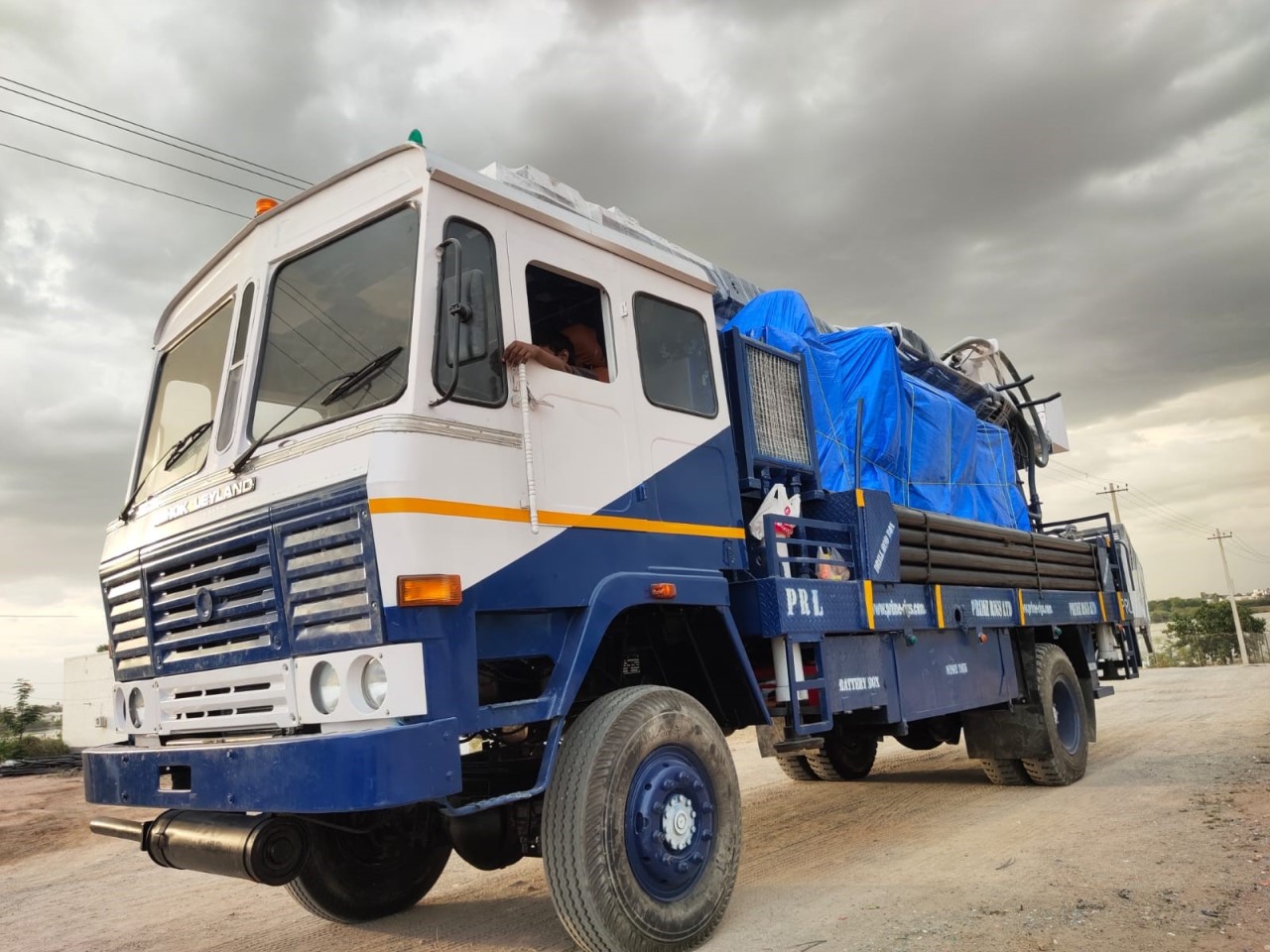
Compare the required depth and bore diameter with each model’s published limits. For example, the refurbished PDTHR 250 is listed for depths up to 250 metres, with DTH and rotary drilling supporting different hole-diameter ranges. Choose a borewell rig machine according to the ground formation, required bore size, and drilling method rather than maximum depth alone.
2. Power And Site Configuration
Engine output, compressor pressure, airflow, mast capacity, and feed force influence drilling performance. Mounting also matters. Truck-, tractor-, skid-, and trolley-mounted rigs offer different mobility and site-access options. Consider terrain, transport distance, working space, and supporting equipment before selecting a configuration.
Comparing Purchase Price And Operating Expenses
The quoted price should be assessed alongside the equipment specification and the expenses involved in keeping the rig operational.
1. Review Complete Equipment Packages
When shortlisting the best water well drilling rig manufacturers, compare engines, compressors, rotary heads, feed systems, hoists, and included accessories. Confirm which components are part of the quoted package and which require additional payment. Comparing model-specific technical sheets can help identify differences that affect performance and overall value.
2. Estimate Long-Term Operating Costs
Calculate expected fuel consumption using anticipated operating hours and working conditions. Include servicing, consumables, spare parts, transportation, and potential downtime. A higher-priced rig may offer better value when its capacity suits the workload and its configuration helps limit recurring expenses.
Reviewing Used And Refurbished Drilling Rigs
A refurbished well drilling rig can reduce the initial investment, but its condition should justify the purchase price. Request operating-hour details, maintenance records, component replacement history, test reports, and warranty terms. Review the engine, compressor, hydraulics, mast, hoists, and drilling systems. Add anticipated repair expenses to the quoted price before comparing it with a new machine.
Conclusion: Choosing Equipment For Long-Term Value
The right purchase balances capacity, price, reliability, and operating costs. Buyers comparing the best construction drill rigs should also consider the intended application, since equipment designed for one type of construction drilling may not suit another.
At Prime Rigs, we offer water well, refurbished water well, mining, blast-hole, construction and portable rigs, along with essential accessories. Our range includes truck, tractor, skid and trolley-mounted configurations to suit different project requirements. Discuss your application with our team to identify suitable equipment.
Frequently Asked Questions
Capacity, engine specifications, compressor, mounting, accessories, equipment condition, and after-sales support all influence the price.
No. Select capacity according to the required depth, bore diameter, ground formation, and workload.
Request service records, operating hours, component details, test results, and written warranty terms.
Yes. Transport, site access, setup, and supporting equipment requirements can vary by configuration.
Related Posts
Recent Post
- New Vs Second-Hand Water Well Drilling Rigs: Which Offers Better ROI?
- Bore Well Drilling Machine Price vs. Capacity: How to Get the Best Value
- Drill Bit Manufacturers: How to Choose the Right Supplier for Your Project
- Refurbished Vs New Drilling Rigs: Which Is Smarter?
- Water Well Drilling Machine: The Complete Buyer’s Guide (2026)